




Surplus excavated material
Excavated material becomes surplus if:
- Its irrecoverable physical, chemical or biochemical quality prevents it from being used in a development;
- There is more material than required for the development; or
- The requirement for a type of material is too far away from the excavation point to make its use practicable.
Sustainable placement is the on-site placement for disposal of surplus excavated material to avoid causing environmental effects (e.g. transport) that would otherwise be associated with the off-site disposal of that material. ‘On-site’ in this context means within the land required for the purposes of the development and ‘off-site’ means external land
(or landfill site) which is not specifically required for the purposes of the development.
A sustainable placement area is an area used for sustainable placement.
Ref The HS2 London-West Midlands Environmental Statement, Glossary of terms and list of abbreviations, DETR 2013.
See also: Spoil.
[edit] Related articles on Designing Buildings
Featured articles
Check out some of the best features and news from Designing Buildings as well as key stories from around the web.

ECA calls for an exemption for contractors working away from home.
Fire performance of thermal insulation
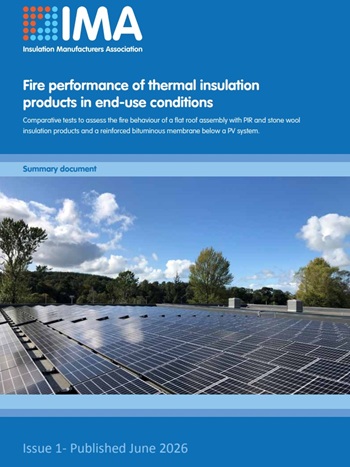
Flat roof assemblies with PV.
Become a Professional Development Partner

CIOB launches a new framework for staff development and chartered membership.

Dorset's first conservation campaigner?
Gov.uk - Hot-rolled steel plate

New anti-dumping measure imposed on South Korea.
ECA responds to the Milburn Report

Youth employment to be linked to workforce demand.
The construction industry urgently needs to attract new talent
CIOB responds to Neets report.
Grenfell Tower community update

Memorial columns to be retained as careful dismantling continues.
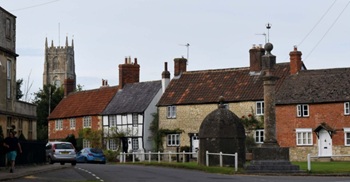
When buildings reflected the local resources available.

CIOB reports 57% are using artificial intelligence technologies.

More of England’s ‘hidden heroes’ will be celebrated.

CIAT calls for retrofit to be a priority.
Comments
[edit] To make a comment about this article, or to suggest changes, click 'Add a comment' above. Separate your comments from any existing comments by inserting a horizontal line.